


All blog posts
Explore the world of design and learn how to create visually stunning artwork.
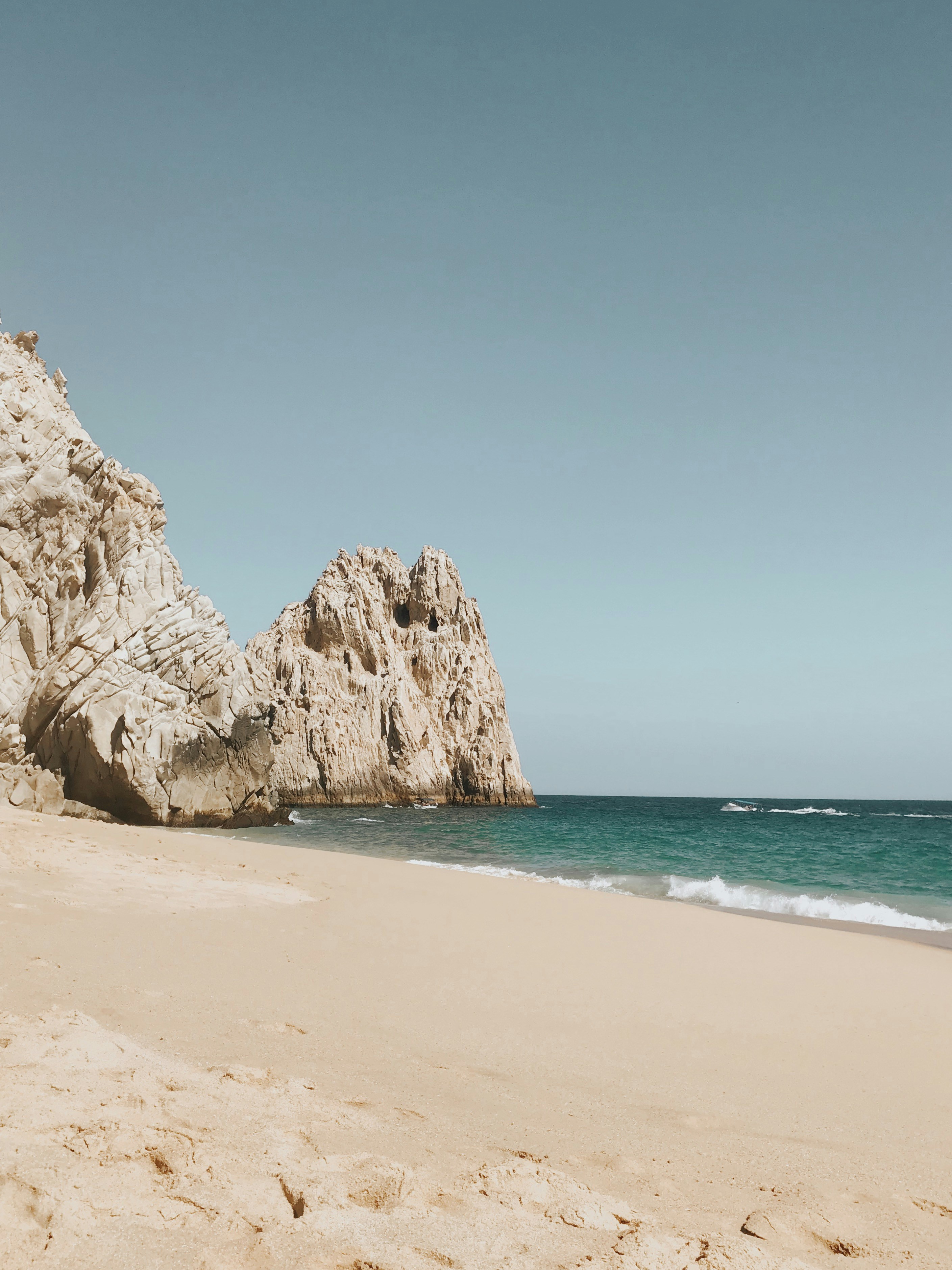 Photo by Ana Bustamante on Unsplash
 The Transformative Power of Film in the Real Estate Market of Los Cabos, Mexico
February 27, 2024 | by filmbirth.com
 Photo by Denise Jans on Unsplash
  Photo by Filip Gielda on Unsplash
  Photo by Tierra Mallorca on Unsplash
 The Transformative Power of Film in the Real Estate Market of Los Cabos, Mexico
February 27, 2024 | by filmbirth.com

The Impact of Film on Real Estate in Mexico: A Look at the Transformation of Home Buying in Los Cabos
February 27, 2024 | by filmbirth.com
Photo by Denise Jans on Unsplash The film “Birth” provides a unique perspective on the real estate market in Los Cabos, Mexico, showcasing how the world of film has transformed the home buying process in this beautiful coastal region. Through stunning visuals and compelling storytelling, “Birth” captures the essence of Los Cabos and highlights the significant impact that film has had on the local real estate industry.
The Allure of Los Cabos
Los Cabos, located at the southern tip of the Baja California Peninsula, is renowned for its breathtaking landscapes, pristine beaches, and vibrant culture. This Mexican paradise has long been a popular tourist destination, attracting visitors from around the world. However, in recent years, Los Cabos has also emerged as a sought-after location for real estate investment.
The film “Birth” beautifully showcases the natural beauty and unique charm of Los Cabos, making it even more enticing for potential homebuyers. From the crystal-clear waters of the Sea of Cortez to the dramatic desert landscapes, the film captures the essence of this coastal haven, leaving viewers yearning to experience it for themselves.
The Impact of Film on Real Estate
Through its captivating storytelling, “Birth” sheds light on how film has transformed the home buying process in Los Cabos. In the past, potential buyers had to rely solely on traditional methods such as property listings and in-person visits to make informed decisions. However, with the advent of technology and the influence of film, the real estate market in Los Cabos has undergone a significant shift.
Films like “Birth” provide potential buyers with a virtual tour of the properties, allowing them to explore every detail from the comfort of their own homes. This immersive experience not only saves time and resources but also enables buyers to get a better sense of the property’s unique features and overall ambiance.
Furthermore, the film acts as a powerful marketing tool, reaching a wider audience and generating increased interest in the real estate market of Los Cabos. The visual storytelling and emotional connection created through film can evoke a sense of longing and desire, prompting viewers to take the next step in their home buying journey.
The Future of Real Estate Marketing
The success of “Birth” and other similar films in promoting the real estate market of Los Cabos highlights the growing importance of visual media in the industry. As technology continues to advance, we can expect to see more innovative approaches to real estate marketing, with films playing a central role.
Virtual reality (VR) and augmented reality (AR) technologies are already making waves in the real estate industry, allowing potential buyers to immerse themselves in virtual property tours. These advancements, coupled with the power of film, have the potential to revolutionize the way we buy and sell homes.
In conclusion, “Birth” offers a captivating glimpse into the real estate market of Los Cabos, Mexico, showcasing how film has transformed the home buying process in this coastal paradise. Through stunning visuals and compelling storytelling, the film captures the allure of Los Cabos and highlights the significant impact that film has had on the local real estate industry. As technology continues to evolve, we can expect to see even more innovative approaches to real estate marketing, with films playing a central role in enticing buyers and showcasing the unique features of properties.